The Negotiation You Won Because You Were Clear

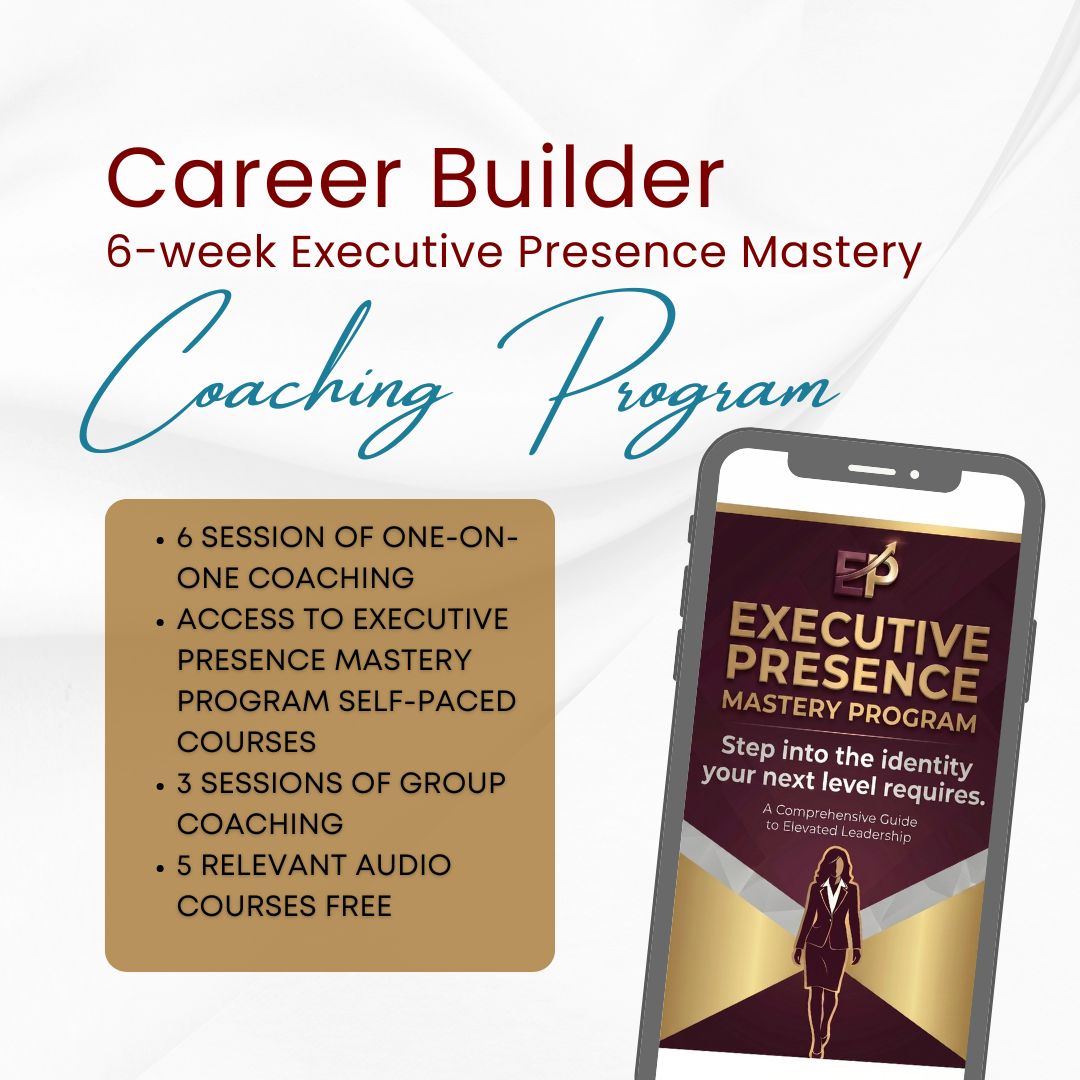
You were negotiating something that mattered. A contract. A salary. A boundary. A decision that affected you directly. And this time, you didn't apologize. You didn't hedge. You didn't make it small. You stated what was true. And you stood in that truth even when the other person pushed back. And it worked. Here is what changed: you stopped negotiating for the outcome and started speaking from the knowing. That shift — from hoping to knowing — is the foundation of Executive Presence in high-stakes conversations. Marcus, an account manager, was negotiating with a long-time client who wanted to reduce their contract by 30%. Marcus had the data. He had the evidence. He had every legitimate reason to push back. But in every previous negotiation, Marcus had a pattern. He'd present the case. Then he'd soften it. He'd give the client an out. He'd essentially ask permission to disagree. This time was different. Marcus walked in and said: "Here's the value you're getting. Here's why I believe you need to stay at current levels. And I want to understand what's driving your thinking, because something's shifted." He didn't ask. He didn't apologize. He didn't soften the ask. He spoke from knowing. And the client sat up and actually engaged. They spent the next hour in real conversation instead of negotiation theater. And they ended up staying at current levels. The Principle: In Identity-First EP coaching, the shift Marcus made is called moving from Apologetic to Grounded. The Apologetic EPCS pattern asks permission to disagree. The grounded identity states what is true and invites dialogue. The difference is not tone or tactics. It is what you believe about your right to be in that conversation. The difference between negotiating and asking permission is internal. Here's how to walk in already knowing. Apologetic negotiation sounds like a case being built for approval. Grounded negotiation sounds like a fact being stated. Walk in with what's true about the value you're offering and let it sit. The other side's job is to engage with what's true, not bestow permission on what you hope is true. "Help me understand what's shifted" is a question from authority, not desperation. Ask it like someone who is not afraid of the answer. The grounded position doesn't argue or convince. It states clearly, then opens to real engagement. That combination changes the shape of the conversation. The shift is from hoping (which the other side hears as weakness) to knowing (which the other side hears as confidence). You don't have to win. You have to be clear. Strange thing: when you stop negotiating for the outcome, the outcome usually moves in your direction. The bottom line: Clarity wins negotiations that pleading loses. State the value, invite the dialogue, speak from knowing — and the conversation that used to drain you starts going where it needs to, not where the other side wanted to take it. What have you had to negotiate recently? What changed when you spoke from clarity instead of from hoping they'd hear you?How to Negotiate From Clarity: The Identity Shift That Transforms High-Stakes Conversations
3 Identity Moves That Turn a Negotiation Around
1. State the Value, Don't Plead It
2. Invite Dialogue From a Grounded Position
3. Stop Negotiating for the Outcome — Speak From What You Know








Exclusive Content and Notifications
Subscribe to Newsletter and Get Additional 20% OFF on your first purchase!